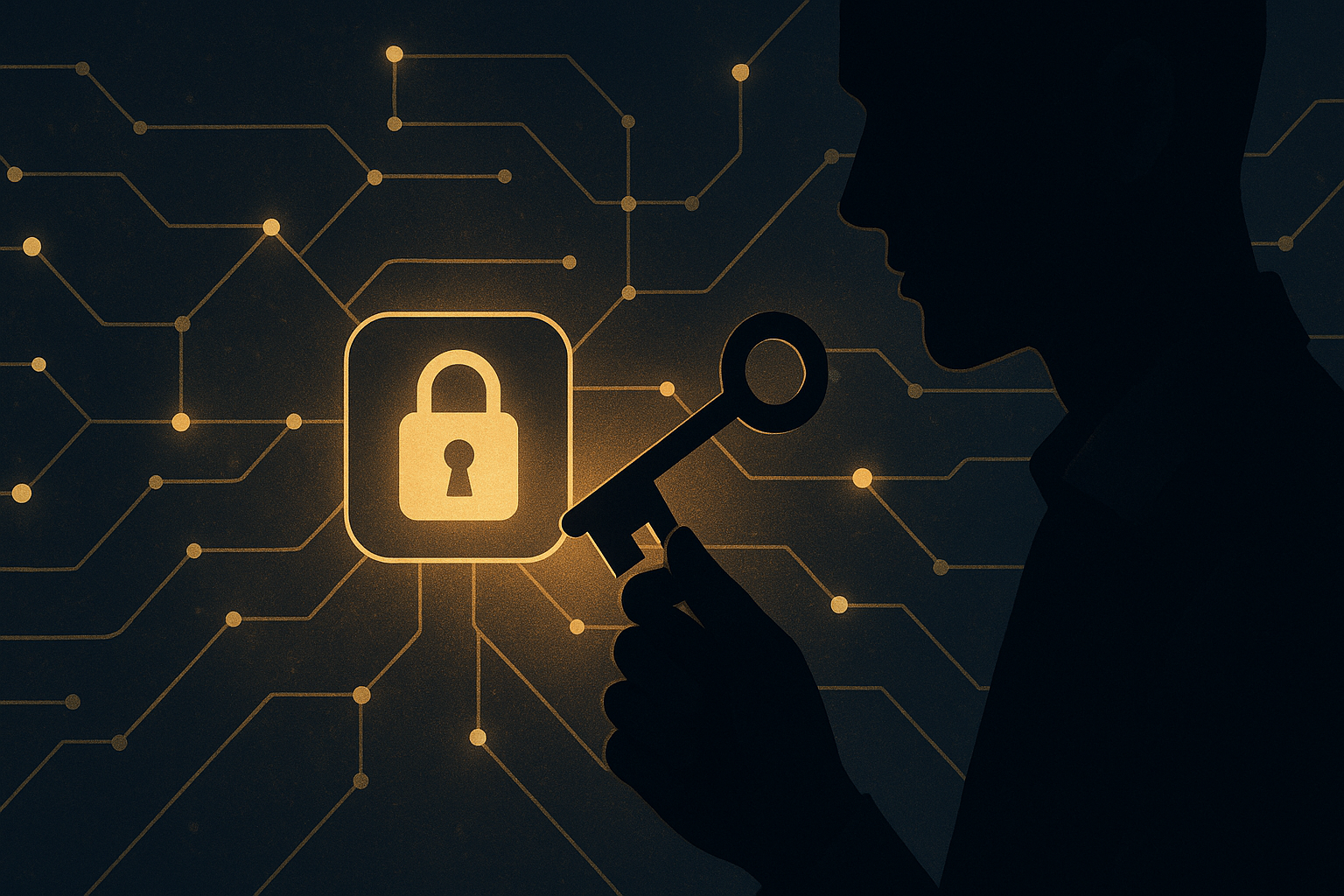
Owning your data is fundamental to maintaining your autonomy, agency, and dignity in the digital era. As relentless surveillance, data harvesting, and AI development continue, privacy is often misinterpreted as secrecy - a misconception that can be perilous. Genuine privacy is about upholding dignity through self-possession, transforming ownership and freedom from mere slogans into tangible realities.
Privacy as Dignity, Not Concealment
In every healthy society, privacy historically acts as a personal shield, defining where the collective ends and the individual begins. This boundary was once clear, represented by four walls or a secure journal. However, technological advancements have made these boundaries porous. While the digital age connects us, it also blurs our private and public lives, placing our thoughts, purchases, and movements at risk of being scrutinized and commercialized.
The adage, “If you have nothing to hide, you have nothing to fear,” misses the essence of privacy. It is not about cloaking misdeeds but safeguarding oneself from external analysis and definition. Privacy grants the freedom to think and develop without interference, as Tsuka's teachings suggest, it is a matter of dignity, emblematic of owning one's narrative, decisions, and potential.
Ownership: The Precondition for Freedom
True ownership in the digital age is rare. Many do not own their digital identities, data, or creative creations, as platforms often control and profit from this information. True digital sovereignty requires more than tools or legal frameworks; it requires cultural recognition that digital properties are as substantial as physical ones. With data ownership, you decide what to share and when, gaining the agency to chart your path independently.
The False Trade: Convenience for Control
Historically, societies have exchanged privacy for convenience, a trend continuing with digital tools like wallets and social networks. These innovations offer ease but collect intimate details without explicit consent, hidden in fine print. Embracing privacy is often seen as either resistance or paranoia, yet it is a radical assertion of control over your life's raw material. Privacy is essential today as it was in the past, a fundamental human right.
The Power of Responsible Stewardship
Freedom without responsibility breeds chaos. Echoing the Tsuka pillars, every right includes duty. Owning your data does not mean hoarding but safeguarding and ethically managing it. Technology should enable choice, not ensnare users in addictive, surveillant systems. As individuals become more data-literate, rethinking stewardship offers opportunities for empowerment, growth, and informed decision-making.
Self-mastery in the digital age starts with self-respect, grows through self-ownership, and thrives within the community. Data ownership reinforces a culture where dignity is invaluable.
Community, Not Isolation
Privacy does not mean retreat but is crucial for authentic community flourishing. Strong communities emerge from individuals freely contributing, not manipulated and exploited for data. Digital sovereignty fosters interdependence without exploitation, enabling communities to make significant impacts through individuals who own themselves mentally, financially, and digitally.
Agency Over Algorithm: The Challenge For The Future
As AI continues to stretch our boundaries, the demand for privacy becomes paramount. The challenge lies in preserving agency and self-determination amidst advancing algorithms. Mastering our digital selves is essential for maintaining free thought, dissent, and growth. The future favors those who own their data, choices, and evolution, making privacy the bedrock of progress.
Conclusion: Privacy as the North Star of Digital Ownership
The fundamental question for digital advancement is whether individuals can own more of themselves. Privacy embodies dignity, ownership signifies stewardship, and freedom means self-direction. As the lines between public and private blur, advocating for privacy becomes an act of maintaining control over one's life.
Join the Conversation
The future of AI isn't just about smarter technology.
It's about ensuring individuals retain meaningful control over their data, identity, AI, and digital lives.
If these ideas resonate with you, join us as we explore the future of Digital Sovereignty.
- 𝕏: @tsukaphilosophy
- Instagram: @tsukaphilosophy
- Telegram (Community): https://t.me/DejitaruTsukaSanghaOfficial
Own Your Digital Life. 🐉