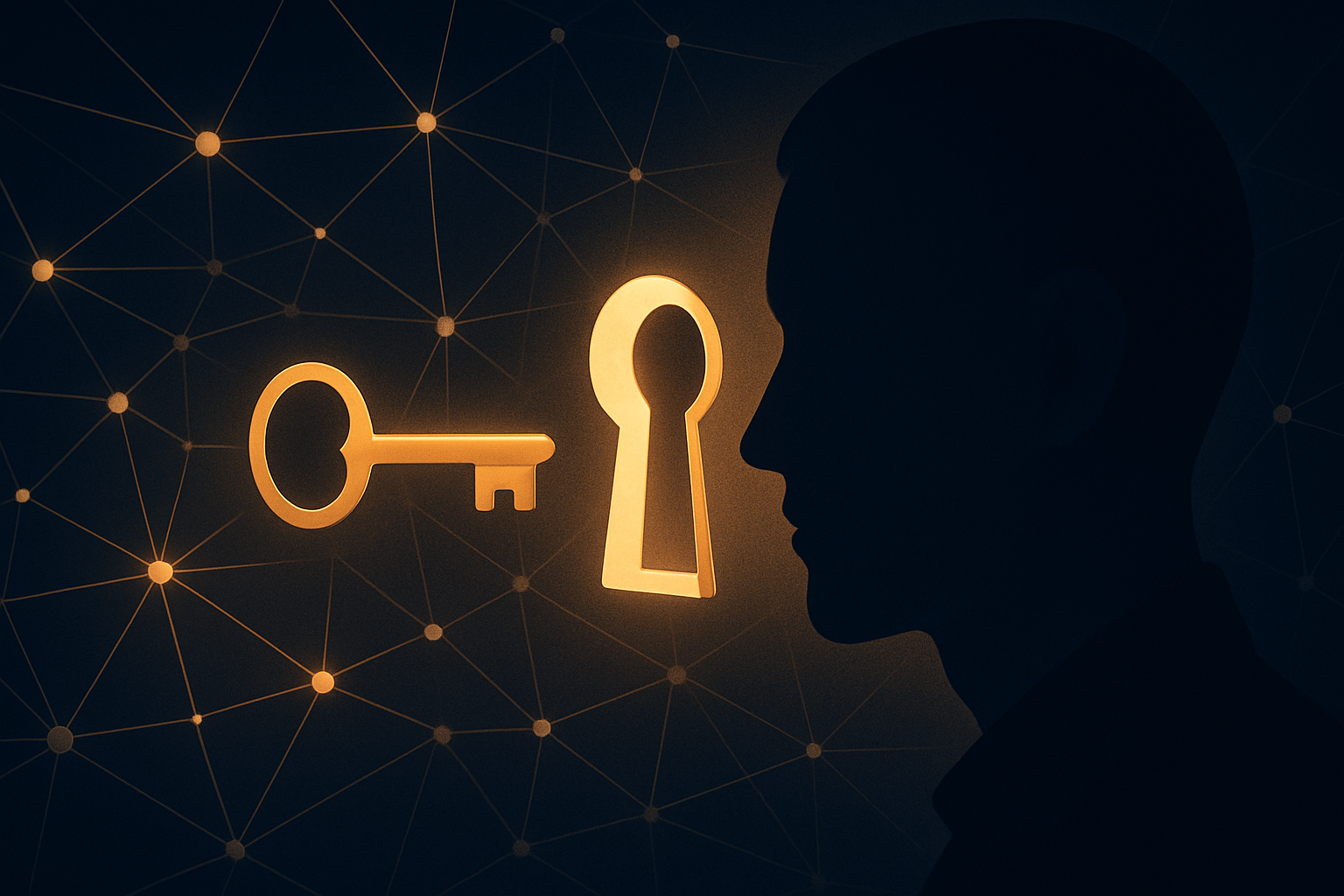
The discussion around Open AI vs Closed AI extends beyond technicalities and delves into issues of sovereignty and trust. Open AI systems offer transparency and inspectability, while closed systems require users to place faith in unverifiable technology. This influences control over digital power, rule-setting, and the protection of interests.
Defining Open and Closed AI Systems
Open AI systems provide accessible code, weights, and data, allowing for review, modification, and self-hosting. In contrast, Closed AI systems keep these elements proprietary and hidden, offering functionality without insight.
Benefits of Open AI
- Transparency facilitates accountability, enhances safety, and builds user trust.
- Forkability ensures resilience, providing users with options if corporate stewards pivot.
- Community-building thrives when auditing and contributing to shared intelligence is open to all.
Drawbacks of Closed AI
- Users are subject to black-box rules and priorities that cannot be checked.
- There is a risk of centralizing critical knowledge and power with a few entities.
Making Informed Choices
Not all systems need to be open, but the decision should be deliberate, with an understanding of the implications. Freedom is not automatic; each step towards closedness demands careful evaluation.
Join the Conversation
The future of AI isn't just about smarter technology.
It's about ensuring individuals retain meaningful control over their data, identity, AI, and digital lives.
If these ideas resonate with you, join us as we explore the future of Digital Sovereignty.
- 𝕏: @tsukaphilosophy
- Instagram: @tsukaphilosophy
- Telegram (Community): https://t.me/DejitaruTsukaSanghaOfficial
Own Your Digital Life. 🐉