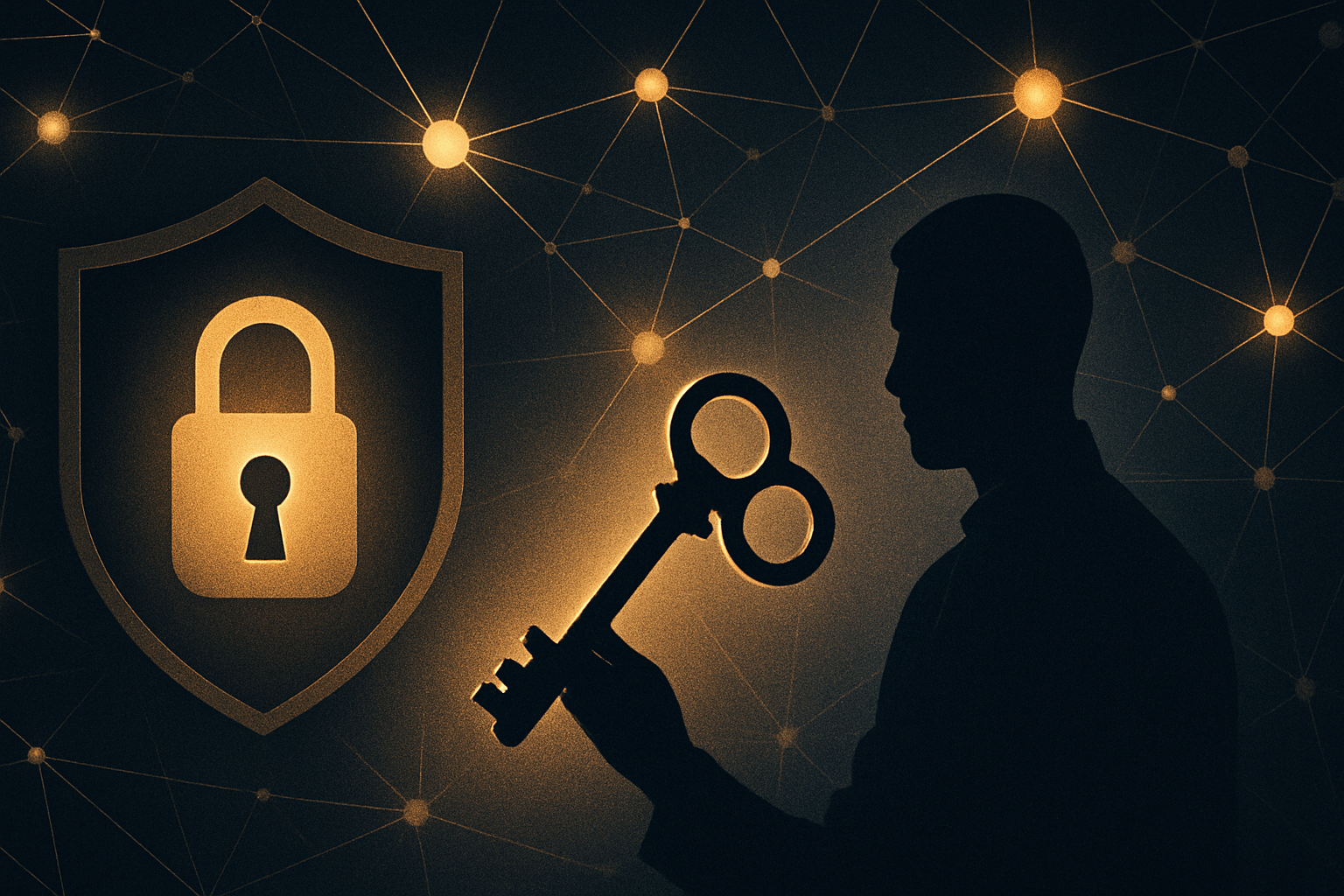
What does it truly mean to be sovereign in a digital world? Digital sovereignty begins with the idea that individuals - not corporations, governments, or algorithms - should hold primary authority over their digital lives. This extends from how we use technology to who can access our data, how our identities are shaped and authenticated, and the extent to which our will is reflected in the digital systems we inhabit.
Why Does Digital Sovereignty Matter?
Throughout history, sovereignty has been about self-determination. In the digital era, self-determination means the right to control one’s data, identity, and even the AI tools that increasingly mediate our lives. Surrendering this control can lead to dependency, manipulation, and loss of individuality.
Building Blocks of Digital Sovereignty
Digital sovereignty is built on the pillars of ownership, privacy, and agency. Without ownership, there is dependency. Without privacy, there is no dignity. Without agency, technology makes choices for us. Sovereignty, then, is both a right and a responsibility - it is claimed, not granted.
The Path Forward
Ensuring digital sovereignty will require new standards, from open-source tools and strong encryption to legal protections and the cultivation of communities built around self-mastery. The process is ongoing, requiring adaptation as technology evolves.
Conclusion
Digital sovereignty is not a product, but a principle. The future belongs to those who claim responsibility for themselves. As AI and digital systems advance, ask: Does this technology help me own more of myself, or less?
Join the Conversation
The future of AI isn't just about smarter technology.
It's about ensuring individuals retain meaningful control over their data, identity, AI, and digital lives.
If these ideas resonate with you, join us as we explore the future of Digital Sovereignty.
- 𝕏: @tsukaphilosophy
- Instagram: @tsukaphilosophy
- Telegram (Community): https://t.me/DejitaruTsukaSanghaOfficial
Own Your Digital Life. 🐉