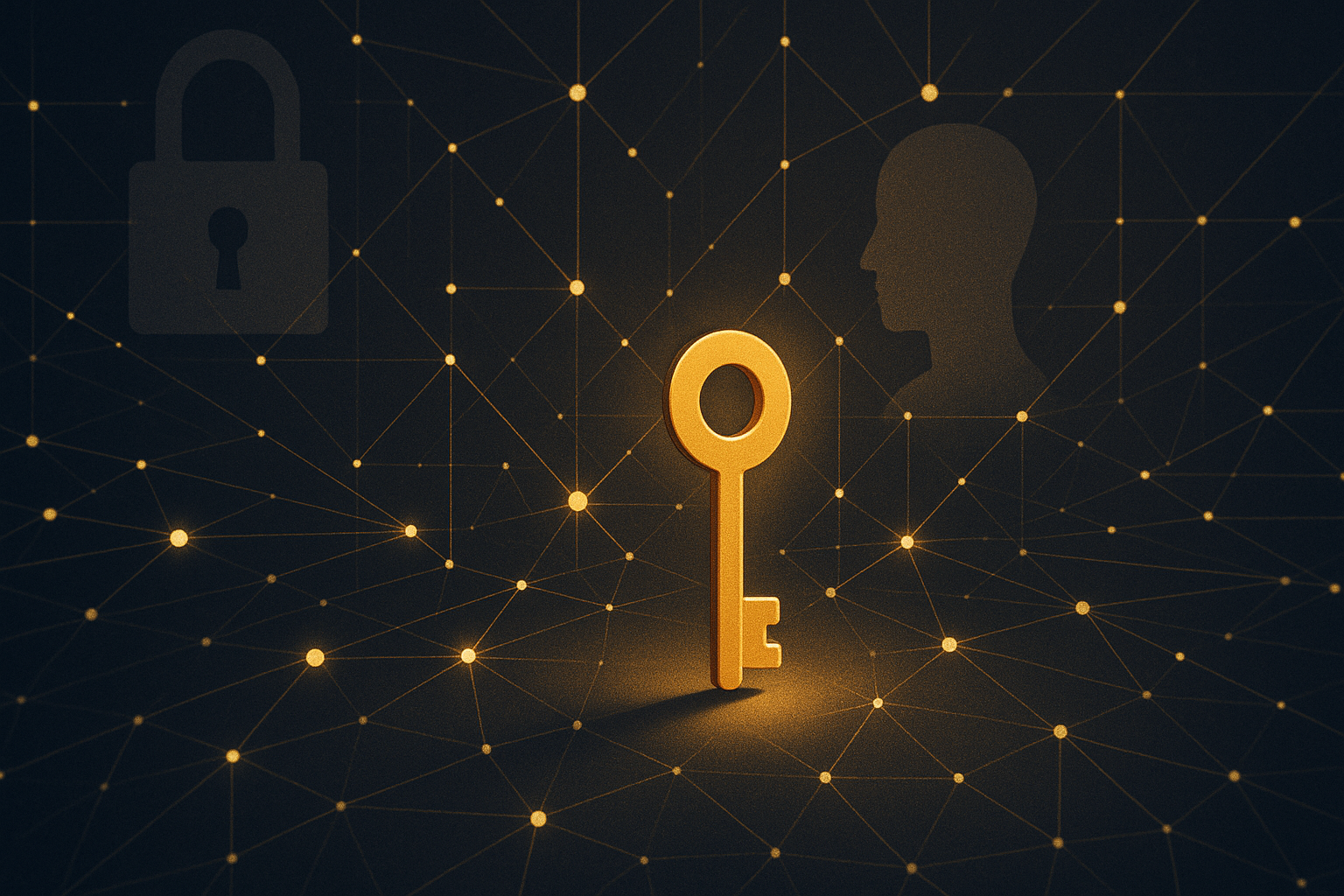
Understanding Digital Identity: From Passwords to Self-Sovereign Identity
Your digital identity encompasses more than just usernames or logins; it embodies your online reputation, credentials, work history, and personal stories. But who should own, manage, and authenticate this identity?
The Shift from Centralized to Decentralized Identity
Traditionally, online identities have been fragmented and overseen by third parties. The rise of self-sovereign identity (SSI) introduces a groundbreaking model where individuals gain control over their authentication, data portability, and reputation.
Why Identity Ownership Matters
Owning your identity is similar to owning your name or your word. It fosters trust and grants agency. Without control, our identities risk being lost, stolen, or manipulated, sometimes without our awareness.
SSI: Principles and Practice
Self-sovereign identity is founded on open standards, cryptographic proof, and the freedom to disclose only necessary information. It brings choice, flexibility, and privacy back into the validation of personal identity.
The Road Ahead for SSI
Achieving widespread adoption of SSI will involve education, the development of open-source technologies, and communities demanding dignity by design. The ownership of identity is pivotal for achieving digital age freedom.
Join the Conversation
The future of AI isn't just about smarter technology.
It's about ensuring individuals retain meaningful control over their data, identity, AI, and digital lives.
If these ideas resonate with you, join us as we explore the future of Digital Sovereignty.
- 𝕏: @tsukaphilosophy
- Instagram: @tsukaphilosophy
- Telegram (Community): https://t.me/DejitaruTsukaSanghaOfficial
Own Your Digital Life. 🐉